
Your freezer room works hard every day, often without much attention. Your staff are in and out throughout the day, your deliveries get stacked inside, and as long as your stock stays frozen, it’s easy to assume everything’s running as it should.
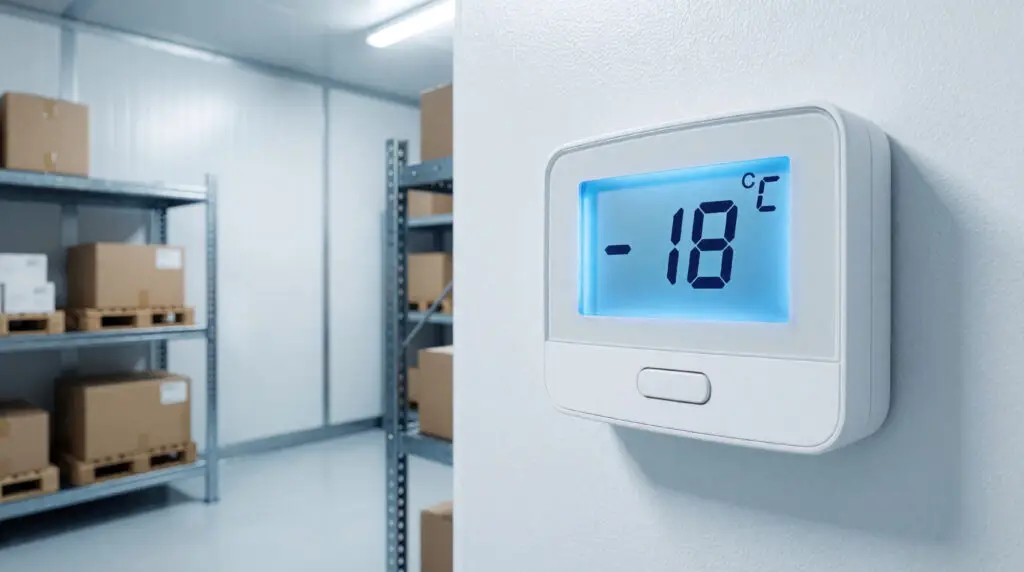
But small problems can develop quietly in the background. By the time you notice them, they’re often more expensive to put right. That’s why you should never ignore frost around your freezer room door, even when the display still shows -18°C. A door that doesn’t seal properly lets warm, moist air in, increasing the refrigeration system’s workload and encouraging ice to form.
Some simple routine checks can help you spot any problems with your freezer room early and give your service engineer useful details when something needs repairing. Here’s how to understand the difference between the commercial freezer room maintenance tasks you and your staff can do, and when to call in an expert.
Key Takeaways
- Don’t ignore frost around the door, as it means warm air is getting in.
- Check the temperature, door and airflow daily, recording the measured reading.
- Inspect and clean the door seal weekly, replacing it if it’s damaged.
- Leave repairs and defrost settings to a qualified engineer.
- Book an annual service and keep your maintenance records together.
Talk to our team
01
Why frost builds up in a freezer room
Every time you or your staff open your freezer room door, the warmer air from your kitchen, stockroom or shop floor flows in to fill the space. That air carries moisture and as soon as it meets the cold surfaces inside, it freezes. A small amount of frost is normal and your freezer room is designed to deal with it. The problems begin when more moisture gets in than the system can cope with. Frequent door openings, damaged seals or gaps between panels all let extra damp air in and that’s when you’ll start to see frost settling in places it shouldn’t.
The evaporator is the cooling coil inside your freezer room. Frost forms on it during normal operation, so it runs an automatic defrost cycle to clear the ice and keep air moving through the coil. However, if it doesn’t defrost properly, ice can build up, block airflow and reduce cooling performance.
Once ice starts to build up, your refrigeration system must work much harder to hold its temperature. The compressor runs for longer, which can push up your energy bills and wear parts that are expensive to replace. If the evaporator coil becomes heavily iced, the fan can struggle or fail, and you might notice the temperature creeping up during busy periods when the door is opened more often.
Frost around the door frame can also stop the door closing properly, letting in even more warm air and making the problem worse. Ice on the floor is a slip hazard for your staff, especially when they’re carrying heavy boxes. Frost can also form on your stock, leading to freezer burn and wasted products. Over time, moisture getting into panel joints can damage the insulation, and that’s a far bigger repair than replacing a worn seal.
02
Daily freezer room checks you can do
Chipping away the ice without fixing the fault deals with only the symptom, so the frost will soon come back. Build these checks into your freezer room maintenance routine, following the manual and your food safety procedures:
- Check the temperature. Read and record the freezer room’s measured temperature, rather than just the thermostat setting. Use a separate freezer thermometer to check the display’s accuracy during your weekly inspection.
- Check the door closes. Remove packaging or stock that prevents it shutting. Make sure the seal meets the frame around the door and avoid propping it open during deliveries. Close a piece of paper in the door and gently pull it. You should feel some resistance. Repeat around the seal to identify areas that may not be closing properly.
- Keep airflow clear. Check there are no boxes blocking the cooling unit’s air inlet or outlet. Ensure that the internal airflow isn’t interrupted by overfilled or poorly organised stock.
- Look and listen for changes. Check for new ice, water on the floor or scraping noises. If ice makes the floor slippery, restrict access until you’ve made it safe.
- Check the emergency door release. Make sure the door can be opened from inside and check any emergency alarms according to your safety procedures. Report any faults immediately and don’t use the freezer room until the escape mechanism is safe.
If temperatures move outside the limits in your food safety plan, follow your food safety procedures and arrange alternative frozen storage. Don’t keep turning the thermostat down to compensate for a fault.

03
Weekly checks: door seals, cleaning and frost
Once a week, examine the seal around the door, including the bottom edge. Look for splits, loose sections or flattened areas that leave gaps when the door closes. Bring this check forward whenever you spot frost around the doorway.
Clean dirt from the seal and its contact surface using a soft cloth and the method specified in the manual. When you finish, dry the surfaces. If dirt is preventing the seal from making contact, cleaning may solve the problem. However, a torn or degraded seal needs to be replaced. Also, check the door’s alignment if it sags, catches or needs forcing shut.
Inspect accessible wall and ceiling joints for gaps, moisture or ice. Photograph new damage or ice and record where it appears.
Follow the manufacturer’s procedure for cleaning shelves, walls and floors, including any shutdown needed. Your staff should clear any spills as soon as they happen rather than waiting for the weekly clean.
If cleaning or defrosting requires an empty freezer room, arrange frozen storage for your stock first. Let the room return to its operating temperature before restocking. Never chip ice away with a knife or use a heat gun to speed up defrosting.
04
What to leave to a refrigeration engineer
Don’t wait for a scheduled service if your freezer room won’t hold its required temperature, the door won’t seal or heavy ice returns after defrosting. Leave electrical repairs, refrigerant work and adjustments to defrost settings to a qualified, manufacturer-authorised engineer. Specialist servicing should include checks appropriate to your system, such as:
- Testing defrost controls, sensors and heaters
- Inspecting fans and checking airflow through the evaporator
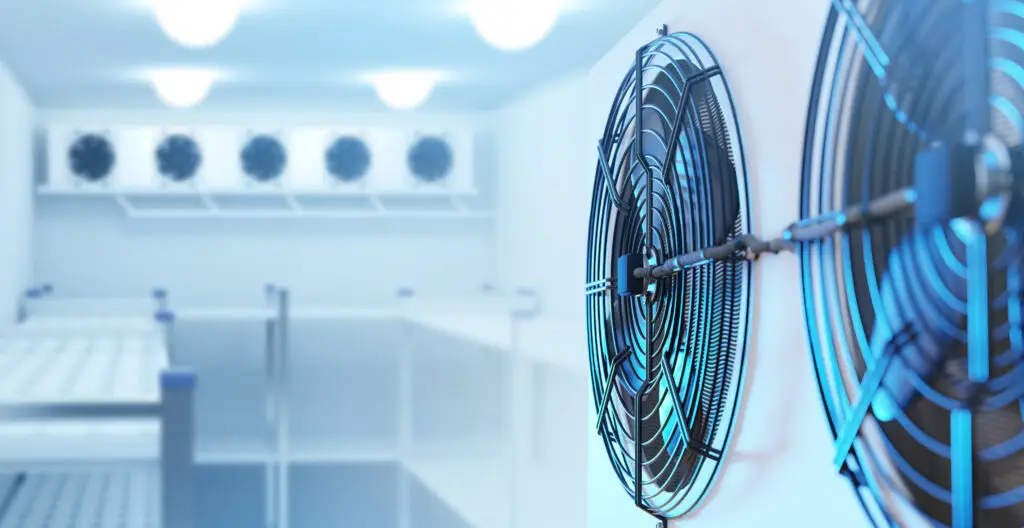
- Cleaning and assessing the condenser, which releases heat outside the room
- Checking drainage, drain heaters and door-frame heaters where fitted
- Checking refrigeration performance and the accuracy of temperature controls
Condenser cleaning needs its own schedule. Dust and grease build-up restricts heat removal, making the refrigeration system work harder. Ask your refrigeration engineer to establish a condenser cleaning schedule based on the manufacturer’s instructions and your working environment.
Don’t assume it can wait until your annual service. It usually needs doing around once per month. Between visits, keep the surrounding ventilation clear of boxes and other obstructions.
05
Plan servicing around your freezer room’s workload
We recommend an annual refrigeration service. Follow any shorter intervals specified by the manufacturer and ask your engineer whether the room’s workload calls for more frequent visits.
Keep temperature readings, fault logs and maintenance records together. Include what you did about each problem so the engineer can see whether it returned after cleaning or defrosting.
At Catering Equipment Direct, we can arrange servicing and repairs for the equipment we supply through manufacturer-authorised engineers. If the fault is covered by your manufacturer’s warranty, we can arrange a repair at no cost to you, subject to the warranty terms. We can also help you schedule routine servicing to meet the manufacturer’s maintenance requirements.
Get in touch with your model and serial number, recent readings and photos. We can pass the details to the relevant supplier’s service team and help arrange an engineer visit.